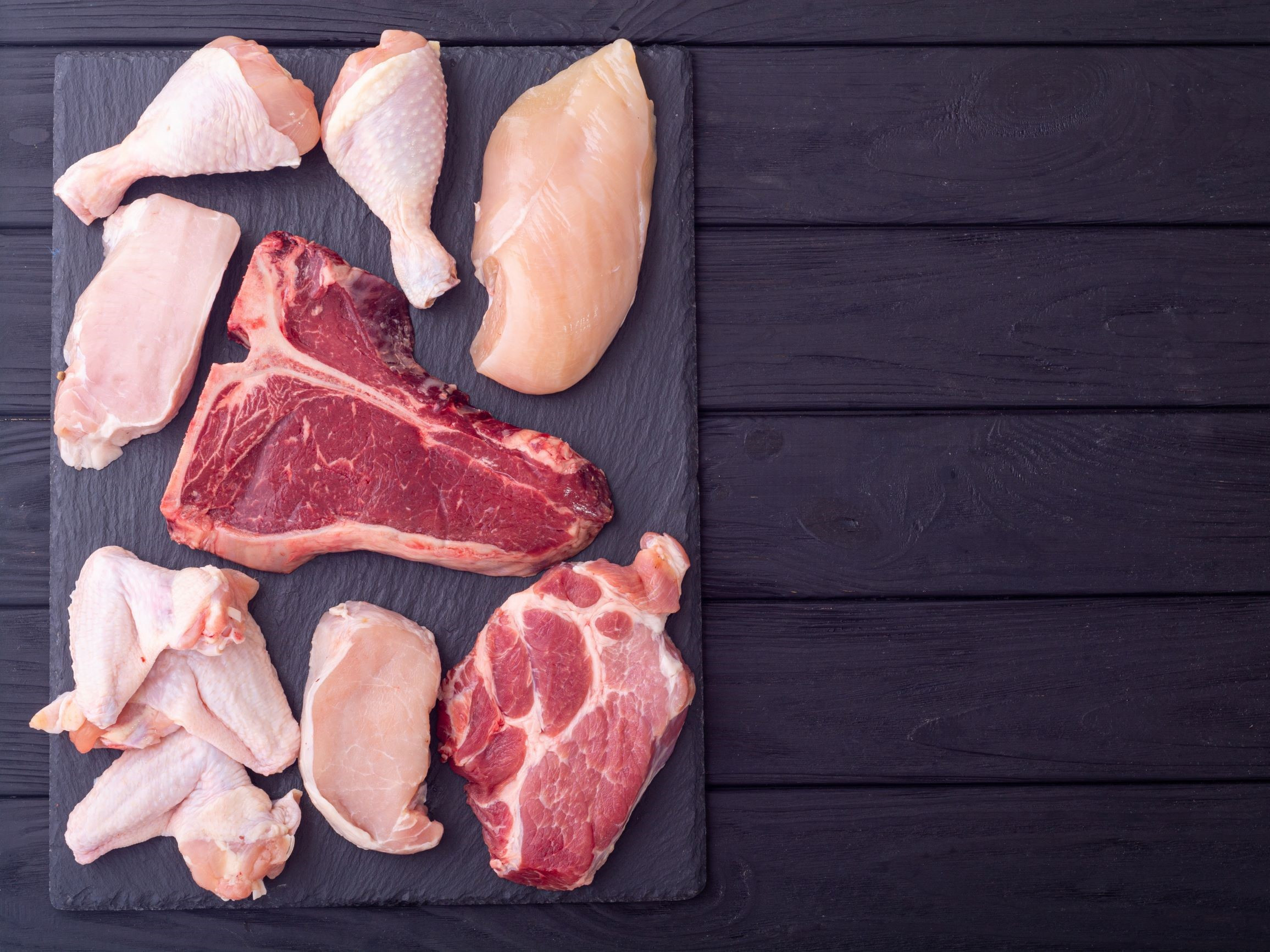
Winter Stew Options
posted on
January 15, 2026
Cooking with the bone-in isn't just a preference—it’s a culinary "cheat code." As the meat stews, the bones release collagen and marrow, which transform a thin broth into a rich, silky gravy that you simply can't get with boneless cuts.
1. Bone-In Goat: The Low & Slow King
Goat meat is lean and can be tough, but it has a deep, slightly gamey flavor that is incredible in stews like Jamaican Curry Goat or African Pepper Soup.
- The Secret: It needs time. Plan for 2 to 3 hours of simmering. If the meat isn't pulling away from the bone with a fork, it’s not done yet.
- Pro Tip: Use an acidic element like tomatoes, vinegar, or citrus in your base. This helps break down the tough fibers and balances the richness of the marrow.
2. Pork Stew Meat (Bone-In): The Flavor Bomb
If you can get pork shoulder (butt) or neck bones, you're in for a treat.
- The Secret: Pork has a lot of connective tissue. When this melts, it turns into gelatin.
- Pro Tip: Sear the meat first. Because pork has a higher fat content than goat, browning it deeply in the pot before adding your liquids creates a "fond" (the brown bits at the bottom) that adds a smoky, savory depth to the whole stew.
3. Bone-In Chicken: The "Comfort" Specialist
Chicken stews much faster than goat or pork, so the challenge is keeping it from falling apart too early.
- The Secret: Use dark meat (thighs and drumsticks). White meat (breast) will dry out and turn stringy long before the bones have a chance to flavor the sauce.
- Pro Tip: If you're doing a long stew, add the chicken about 45 minutes to 1 hour before you plan to finish. This gives it enough time to become tender without the meat completely disintegrating into the broth.
Comparison of Cooking Times
| Meat Type | Best Cut | Average Simmer Time |
| Goat | Shoulder or Leg | 2 – 3 Hours |
| Pork | Shoulder or Neck | 1.5 – 2.5 Hours |
| Chicken | Thighs or Drumsticks | 45 – 60 Minutes |
A quick safety tip: Since you’re using bone-in cuts, be mindful of "splintering," especially with goat or pork that has been "whacked" into pieces by a butcher. It's often helpful to skim the top of the stew early on to catch any small bone fragments.